Projects & Experience
There's nothing I'm not capable of learning and understanding.
Founder & Lead Instructor: High-Power Rocket Bootcamp
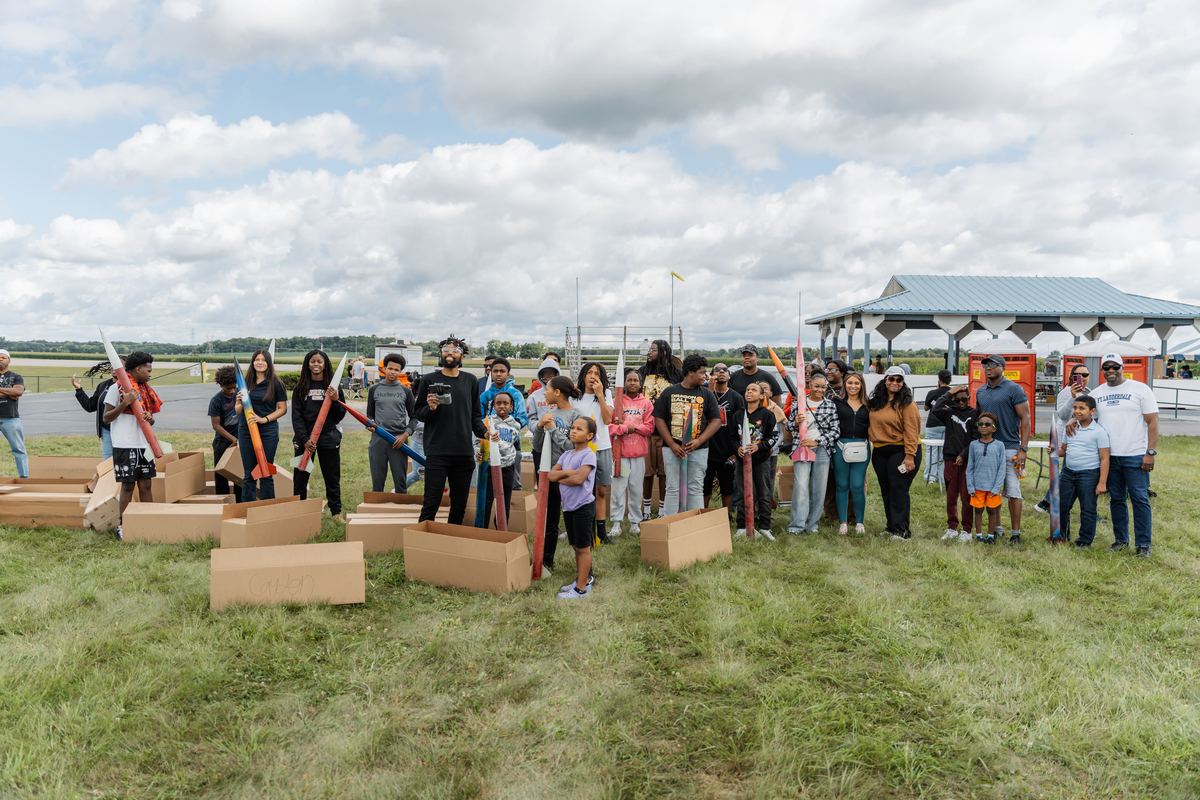
My latest and proudest project. I founded the bootcamp in August 2025 and it is free for every student: each participant designs, builds, paints, and launches their own high-power rocket - reaching altitudes up to 2,000 feet (next phase: electronic dual deployment) - while learning aerodynamics, propulsion, recovery systems, and FAA airspace coordination. As Flyer of Record, I personally certify every student rocket before it flies.
So far: 171 participants trained, 100+ rockets built and launched, ~$155,000 in approved funding (MEPI, Cummins, Lilly, Purdue University, Indiana State Museum), and a public goal of 1,000 rockets on the road to making Indianapolis the rocket capital of the world. Ranked #1 flyer by flight count at LDRS 44, the world's largest high-power rocketry launch, with 34 flights.
Project Manager
I evaluate, manage, and execute requirements for large capital projects. Currently leading a $150M+ capital capacity expansion - directing design, construction and C&Q for FDA-regulated manufacturing facilities that produce medicine for patients.
Bachelor of Science: Mechanical Engineering, Aerospace Minor
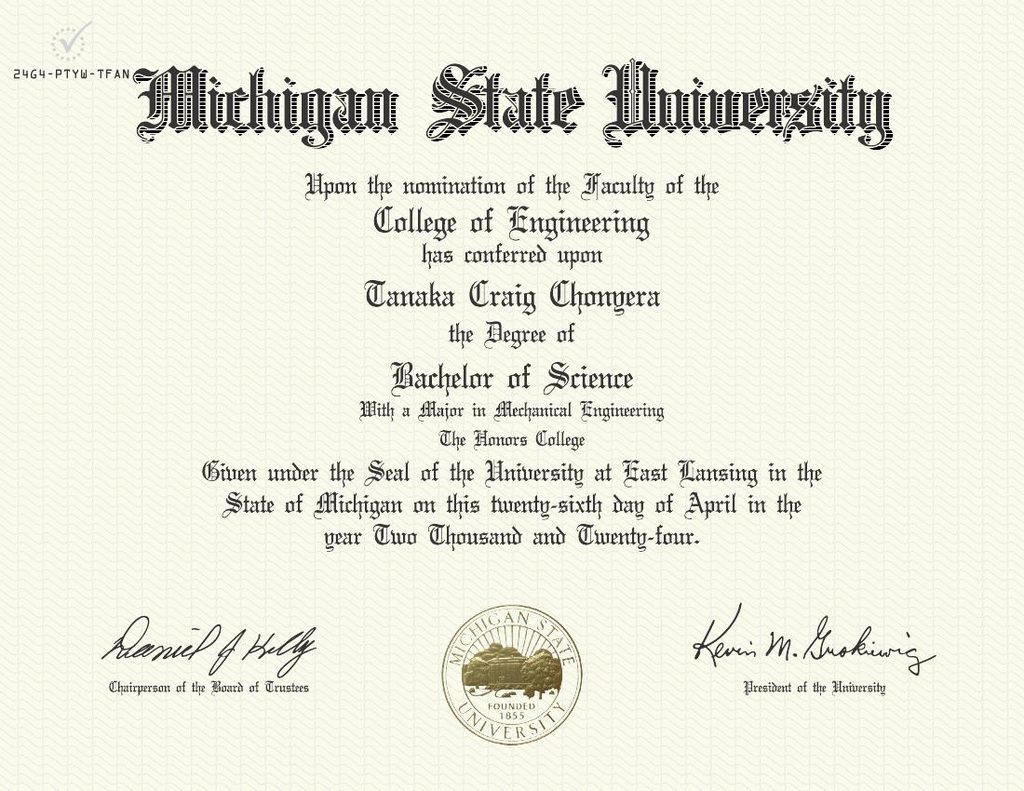
Graduate of the MSU Honors College with a B.S. in Mechanical Engineering and an Aerospace minor.
Open my degree (PDF) ↗Aerodynamics & Fluid Mechanics, Capstone Project Lead: MSU Solar Car Body Design
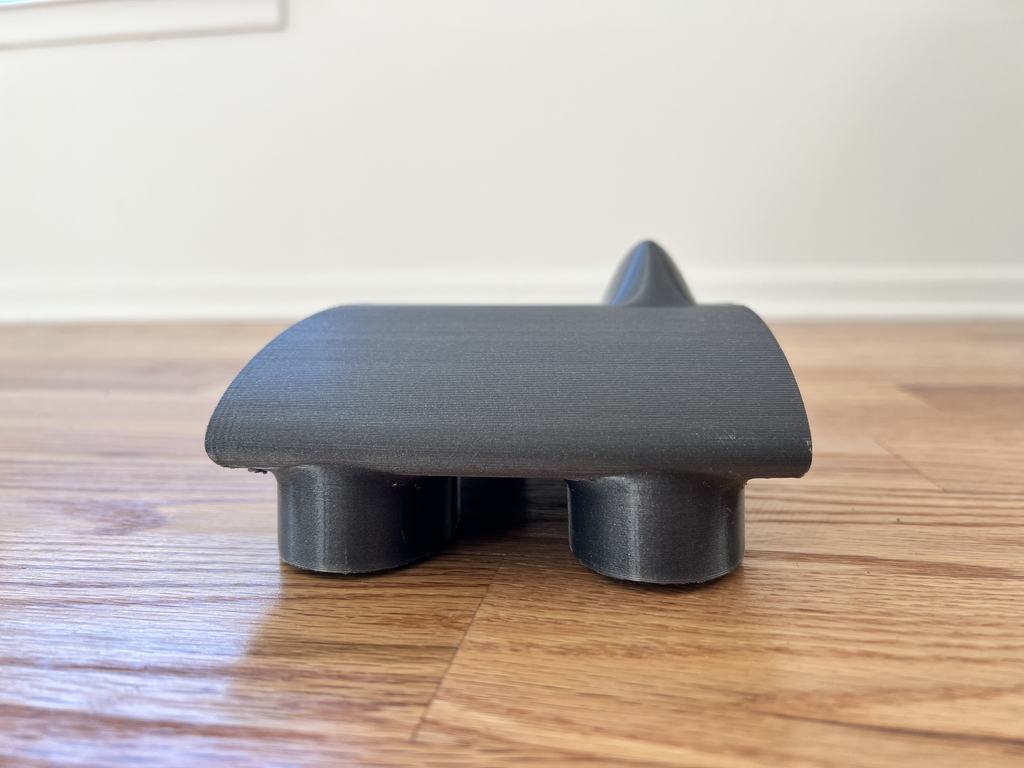
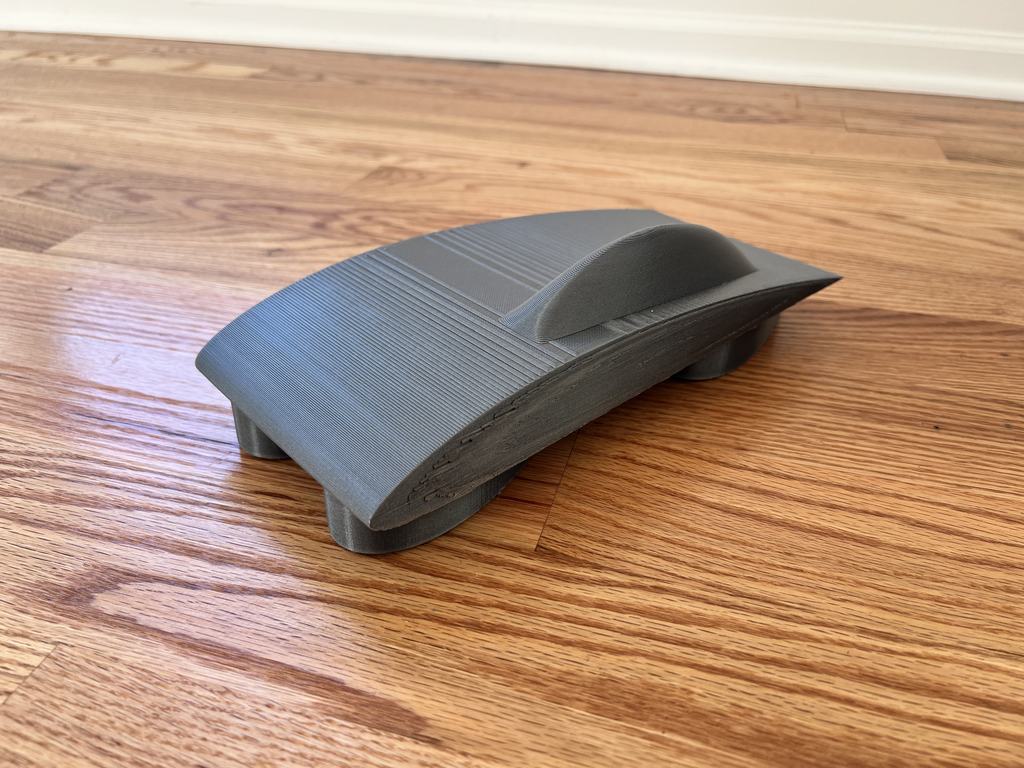
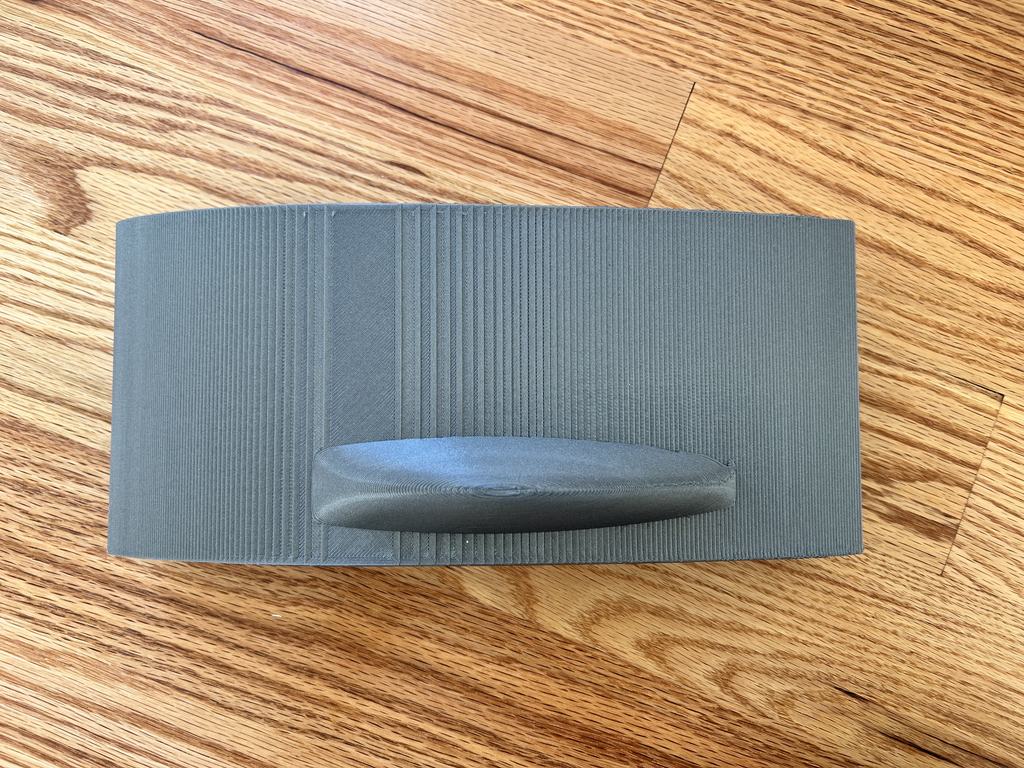
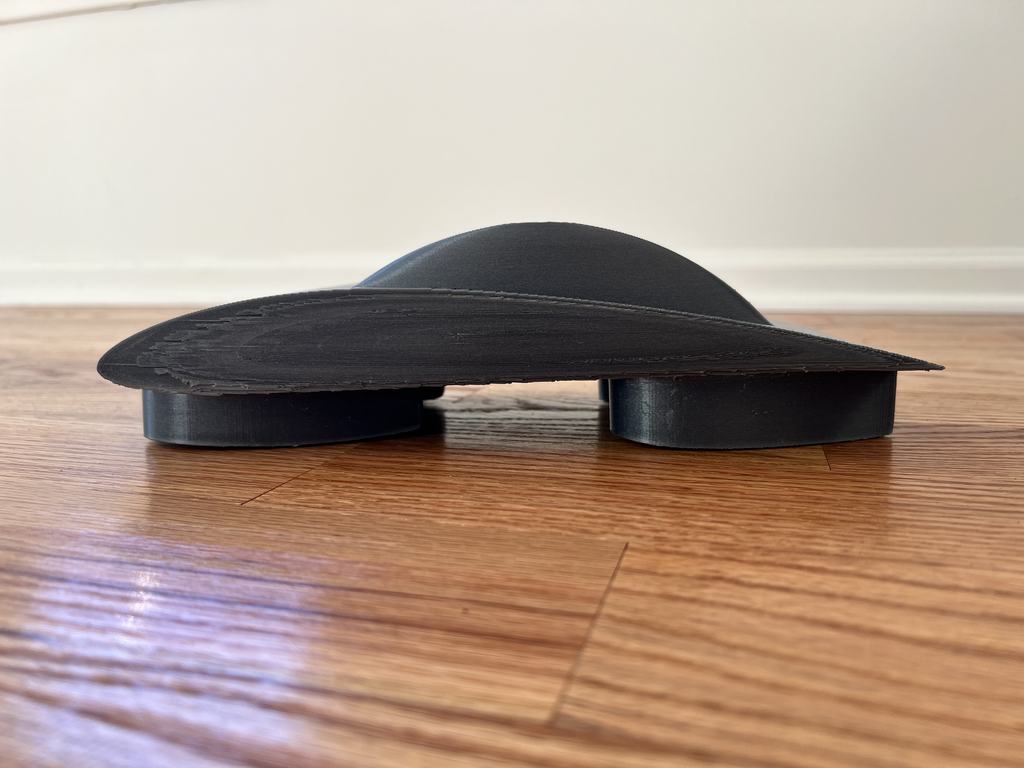
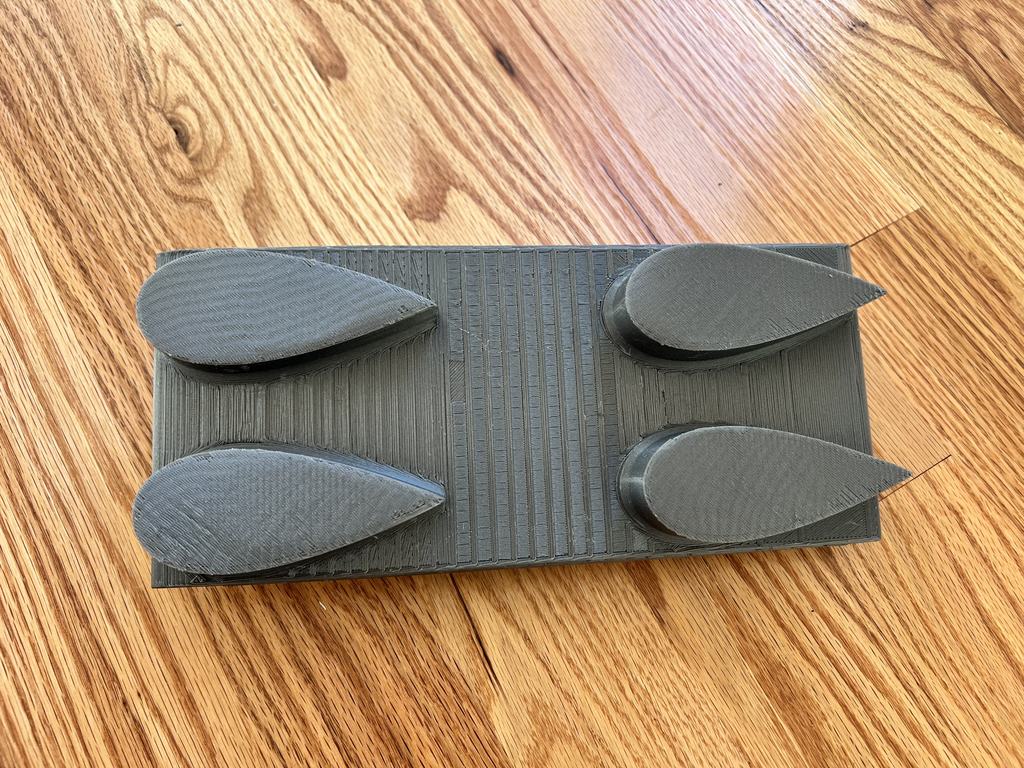
I led my senior capstone team designing a new body for MSU's Solar Racing team. We utilized fundamental principles of aerodynamics, boundary layer theory, and other fluid mechanics principles to produce a design that significantly improved aerodynamic performance through drag reduction. 4.0 in the class! Here's the final report:
Open the final report (PDF) ↗Aerospace Engineering: Rocketry

I persuaded my school's faculty to let me develop a full-fledged solid-propellant rocket for an international STEM competition in South Africa; I was captain. In Botswana, however, we don't have any hobbyist shops for this, so I made everything, from the fuel to the fuselage, from scratch. The project has given me an extensive insight into many aspects of Industrial Design and Engineering.
As for the competition? Our school came first, and I won first place for individuals. This experience was some of the most fun I've ever had. The launch catastrophes, the shattered windows, the almost blown off fingers, the melted dust bins, the raging teachers, the late nights, and the overwhelming stress. I loved it so much that I did it again the year after but with a different project. The lack of resources required for my ventures provided challenging and realistic problems to solve. Instead of buying everything, I had to seek raw materials, machinery, contractors and budget my expenses much like in industry. I learned a lot of vital skills in the process that have no doubt proven useful in university and I'm sure will beyond. Particularly patience, clear and effective communication, resilience, teamwork, problem solving and negotiation techniques such as rapport building and active listening.
Renewable Energy, Development Engineering & Manufacturing: Thin film & Monocrystalline Solar Panels
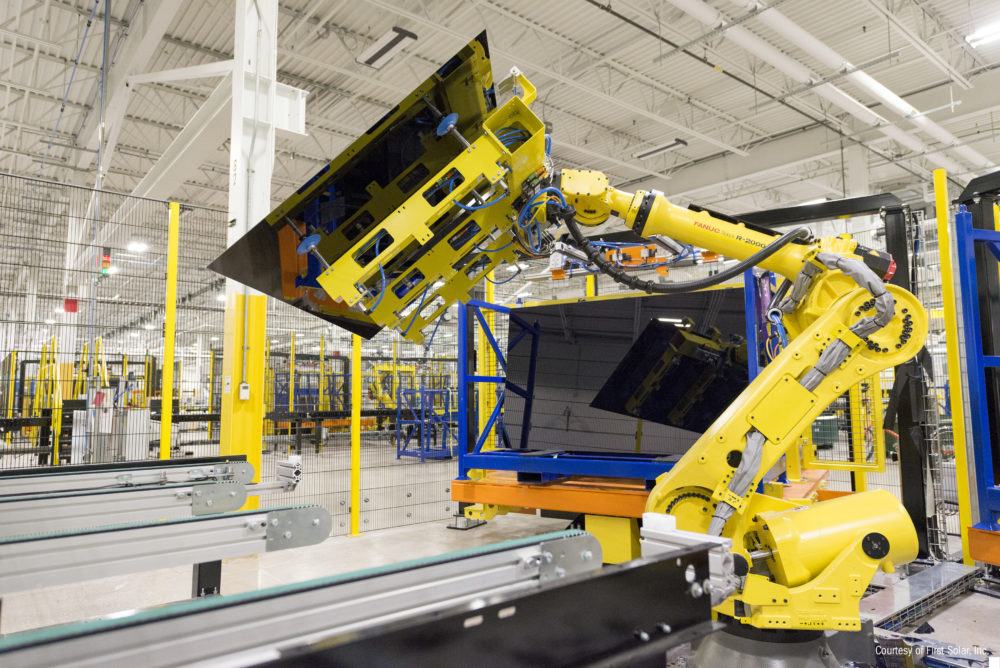
At First Solar, I was involved in lots of different projects. On the development engineering finishing team, I validated and optimized a novel ultrasonic welding process for solar modules. I utilized JMP statistical analysis software to analyze and interpret critical testing data, enabling data-driven decision-making for process enhancements. I also aided in assembly and testing of new tandem solar modules, incorporating monocrystalline and thin film technology for improvement in conversion efficiency.
Web Development, Social Media Management & Sponsorship Coordinator: Secretary & Communications Chair
I led our social media rebrand, transitioning from a fragmented naming system to a streamlined, unified approach. Redesigned the chapter website (nsbemsu.org), ensuring user friendly design and up-to-date content, and solicited sponsorships and support from industry-leading companies like SpaceX to support the chapter.
Research, Electrochemistry & Additive Manufacturing: Boron Doped Diamond and Carbon Fiber Electrodes
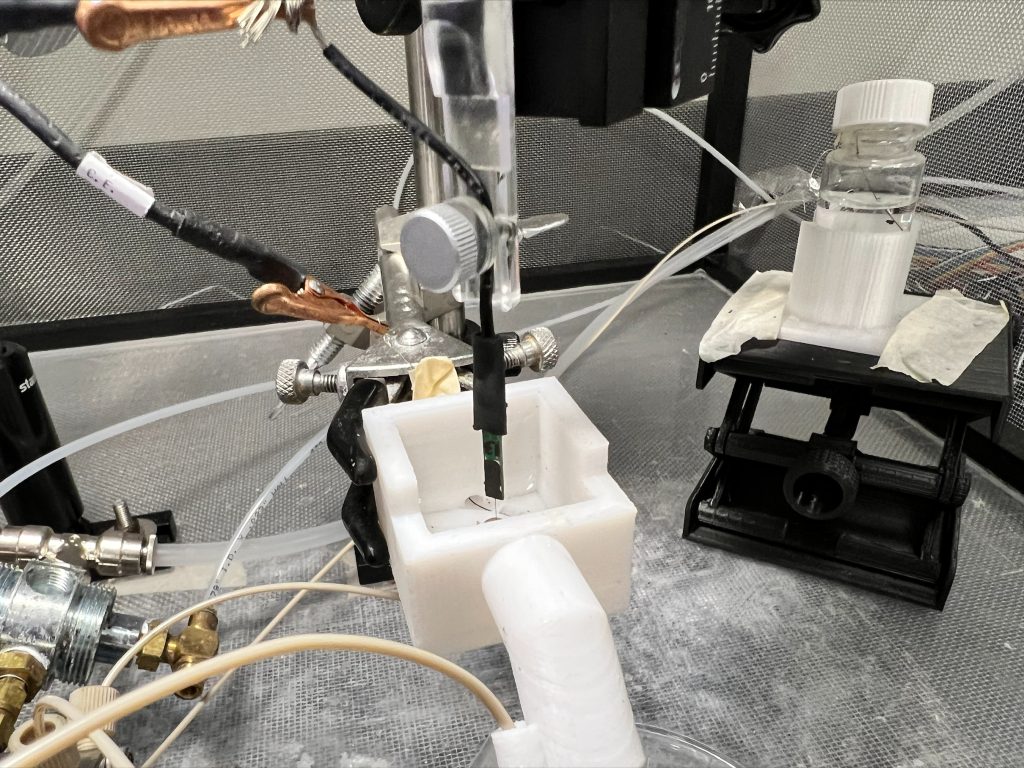
This is the flow cell setup that we used to test our electrodes. It serves to simulate conditions of the brain. We pumped a solution that mimics brain conditions into the white 3D printed part and test electrode sensitivity to various neurotransmitters like dopamine and serotonin.
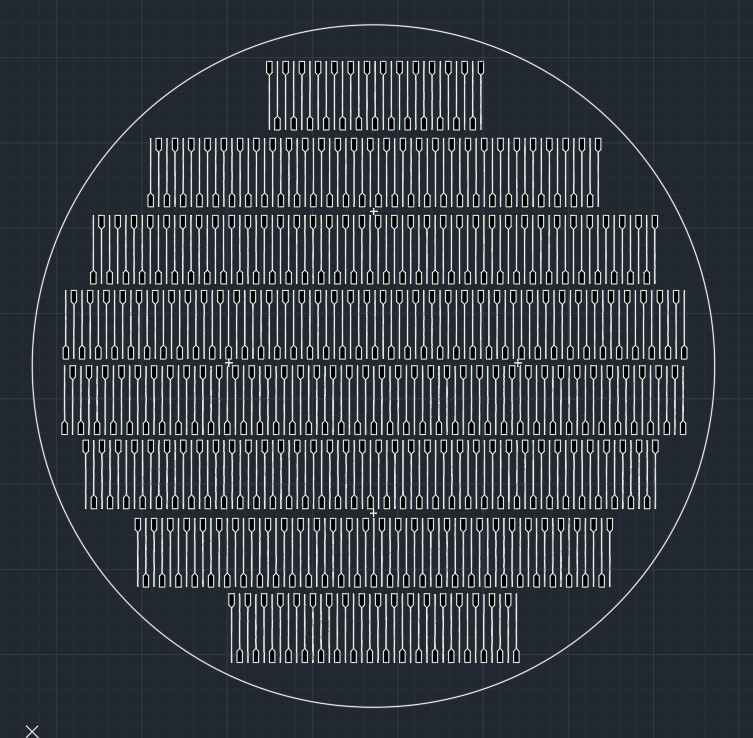
This is an AutoCAD sketch I made that we use as a template to grow diamond electrode needles at Fraunhofer USA:
We tested for dopamine by cycling a voltage applied to the electrode from -0.3V to +1.4V and measuring current response. At around -0.1V, the dopamine is reduced resulting in the negative peak shown. At around +0.7V, the dopamine is oxidized resulting in the positive oxidation peak. One of my carbon fiber electrodes successfully measured dopamine in vivo in a rat's brain, aiding in Parkinson's research at the Institute for Quantitative Health Science and Engineering at MSU.
These are the boron doped diamond electrode needles I assisted in fabricating. We were investigating them as a replacement to industry standard carbon fiber electrodes as they last longer. Carbon fibers etch away as they are used and eventually need to be replaced. Boron doped diamond is more stable. Dopamine in the brain is hard to detect because it has such low concentration (it's of the order nanomolar per Liter) so sensitivity is important. We ran experiments to increase the sensitivity while maintaining its durability. I ran long term experiments evaluating different coatings utilizing fast scan cyclic voltammetry and A.C. Impedance spectroscopy, and tested their effects on neurotransmitter sensitivity. I also contributed to a research paper with this data.
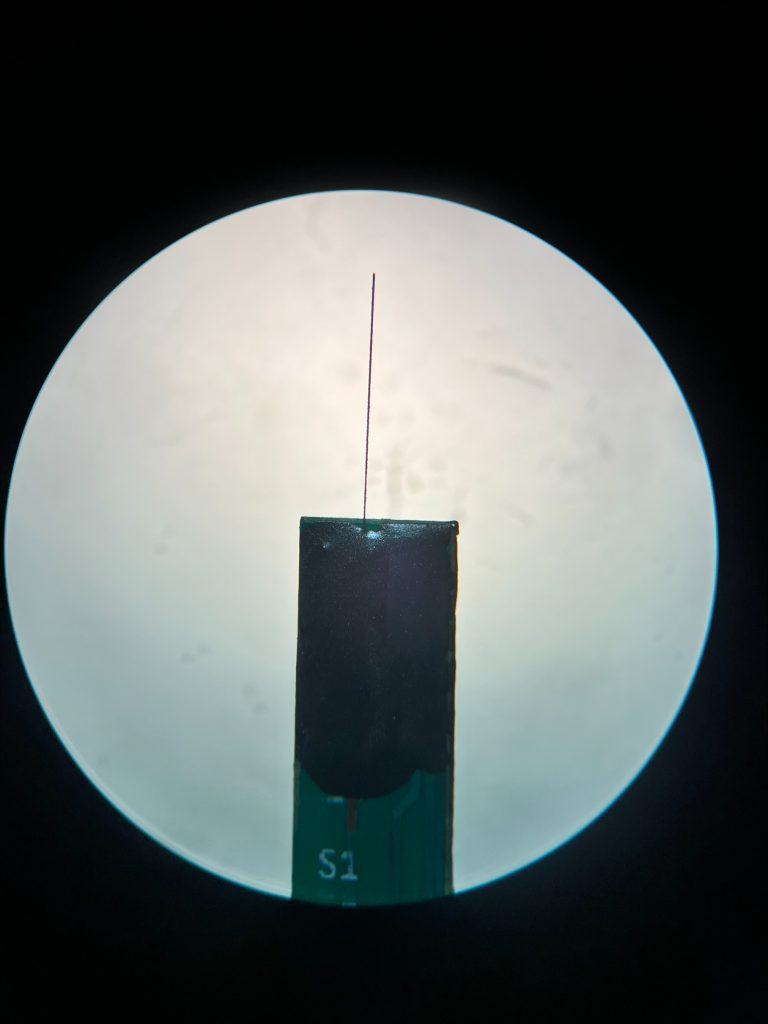
Biosensors Research Publication: Experiment Contributor
Published research in MDPI Biosensors:
Research, Electrical Engineering & Nuclear Physics: High Voltage Divider (HVD)
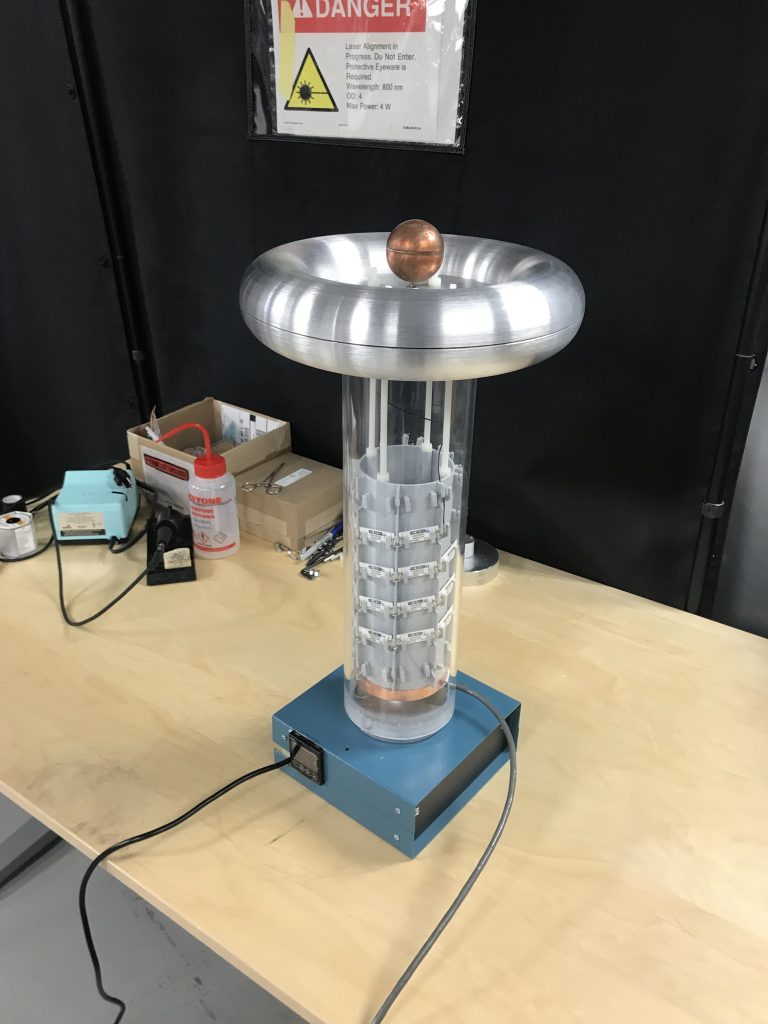
As part of the Wielenga Research Scholars program at Michigan State University (with a $5,000 grant awarded), I joined Dr. Kei Minamisono's team at the BEam COoling and Laser Spectroscopy (BECOLA) facility at the Facility For Rare Isotope Beams (FRIB).
Accurate knowledge (at a few ppm level) of the beam energy, i.e., the high voltage potential applied to the beam, is crucial to deduce very small nuclear structure information.
I designed (in Siemens NX) and manufactured a High Voltage Divider for use in a Collinear Laser Spectroscopy Experiment identifying the laser spectrum of radioactive nuclei.
I analyzed and processed output data from the high voltage divider using Python to determine divider ratio and compare performance with a stock high voltage divider from the National Metrology Institute of Germany.
Research, Electrical Engineering & Nuclear Physics: Video of the High Voltage Divider Development Process

Research, Electrical Engineering & Nuclear Physics: 2022 Undergraduate Research and Arts Forum Presentation
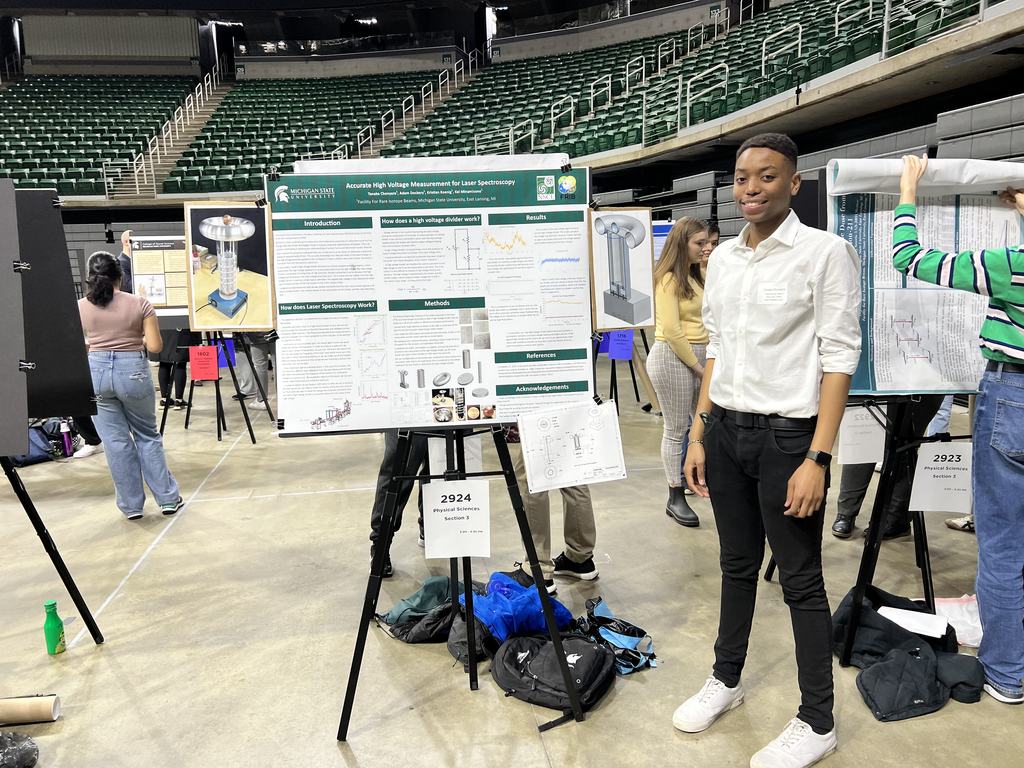 Open the UURAF poster (PDF) ↗
Mechanical Engineering: Computer Aided Design (CAD)
Full technical draft of the High Voltage Divider:
Open the technical draft (PDF) ↗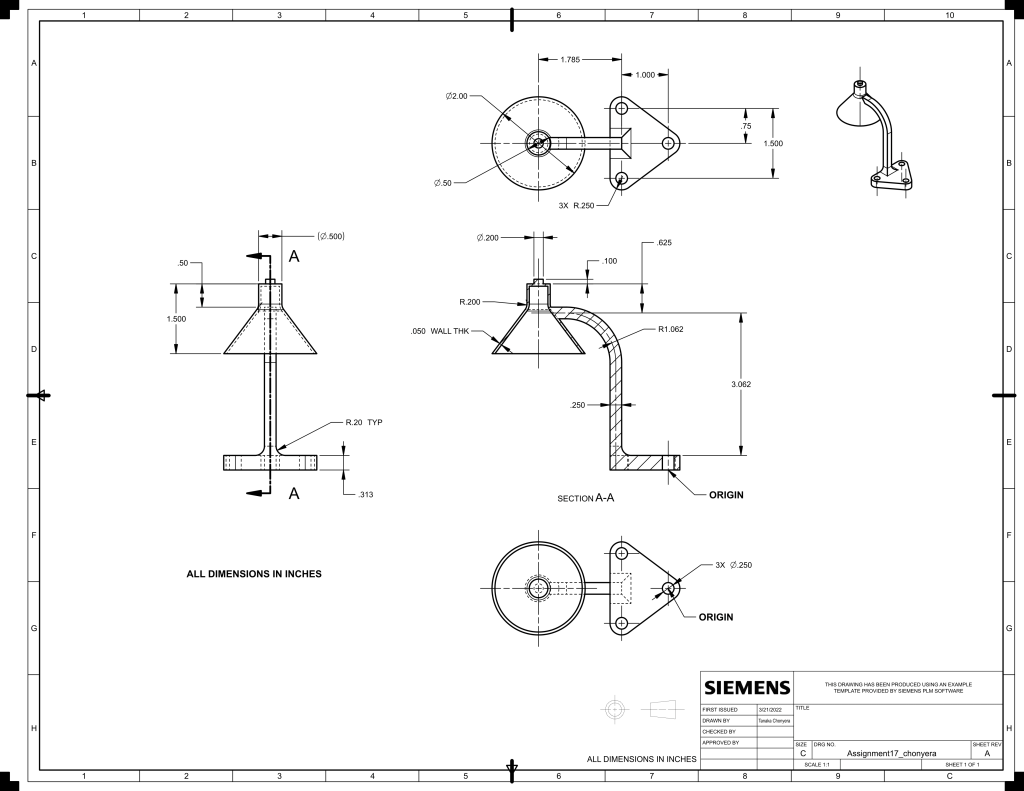
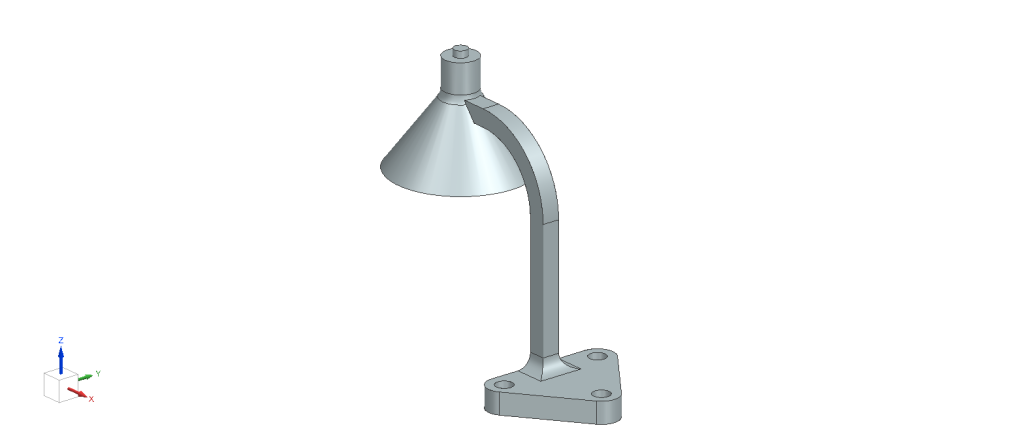
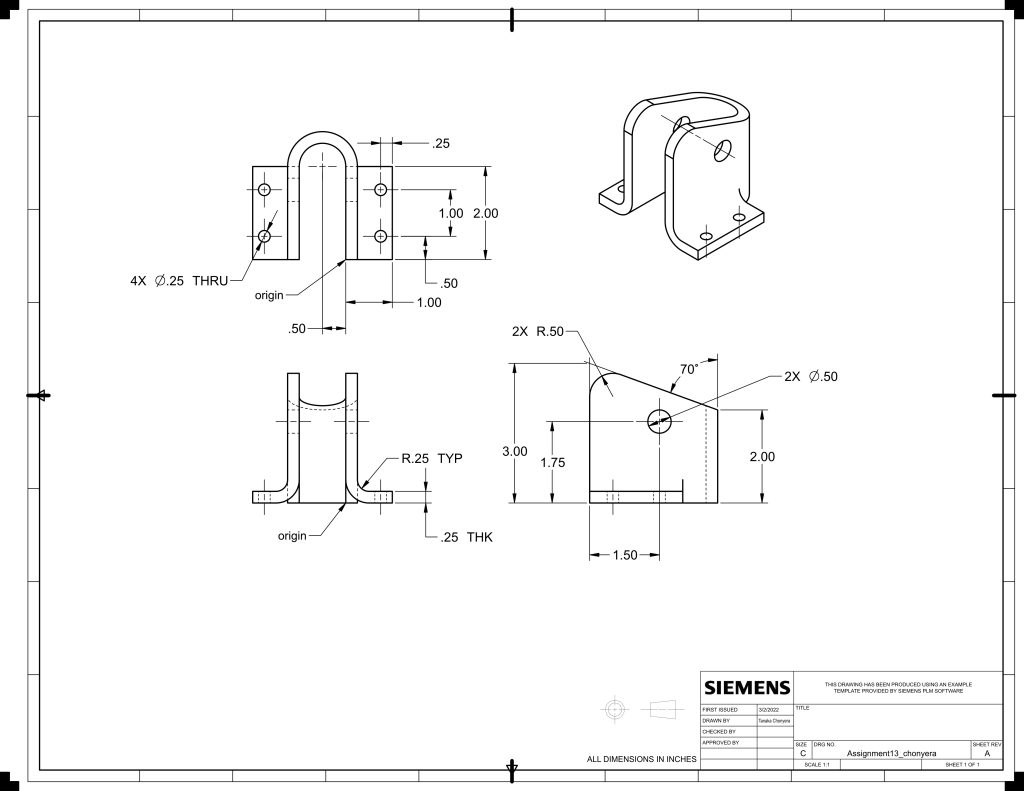
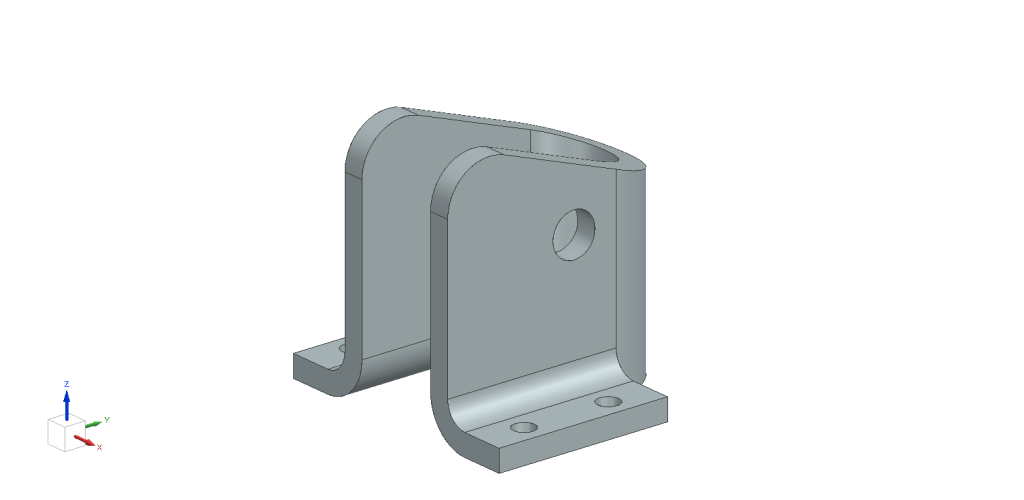
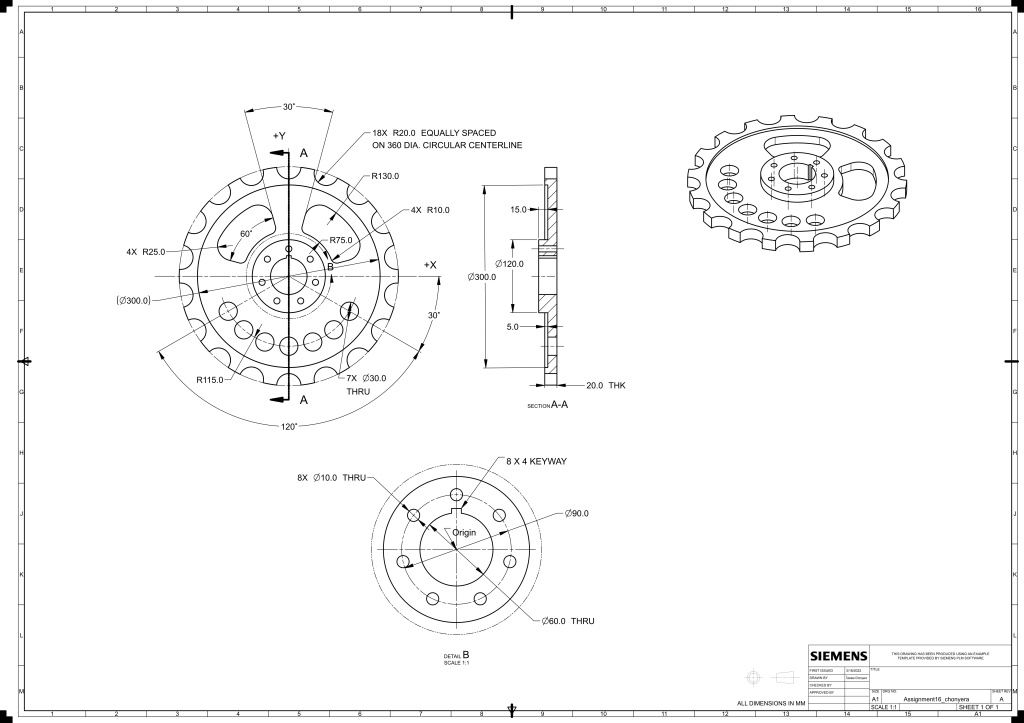
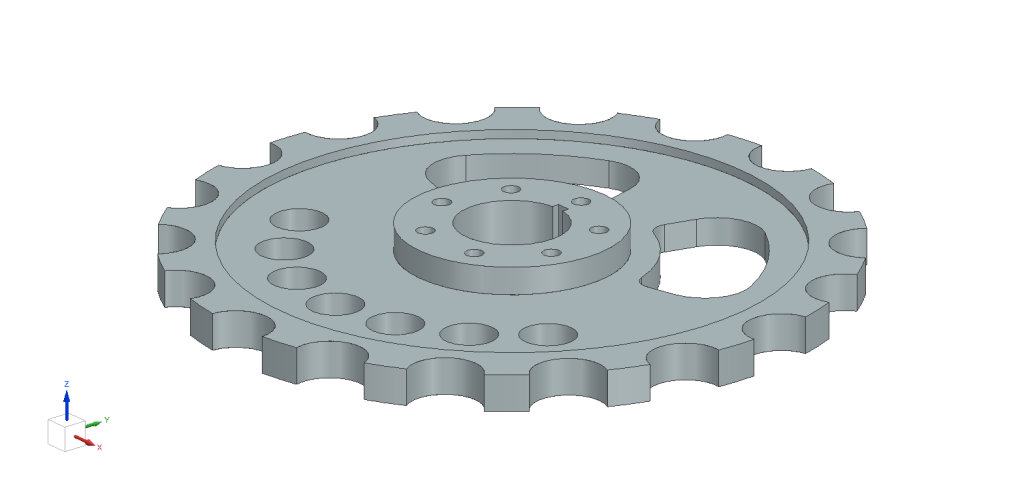
Mechanical Engineering & Renewable Energy: Parabolic Solar Array
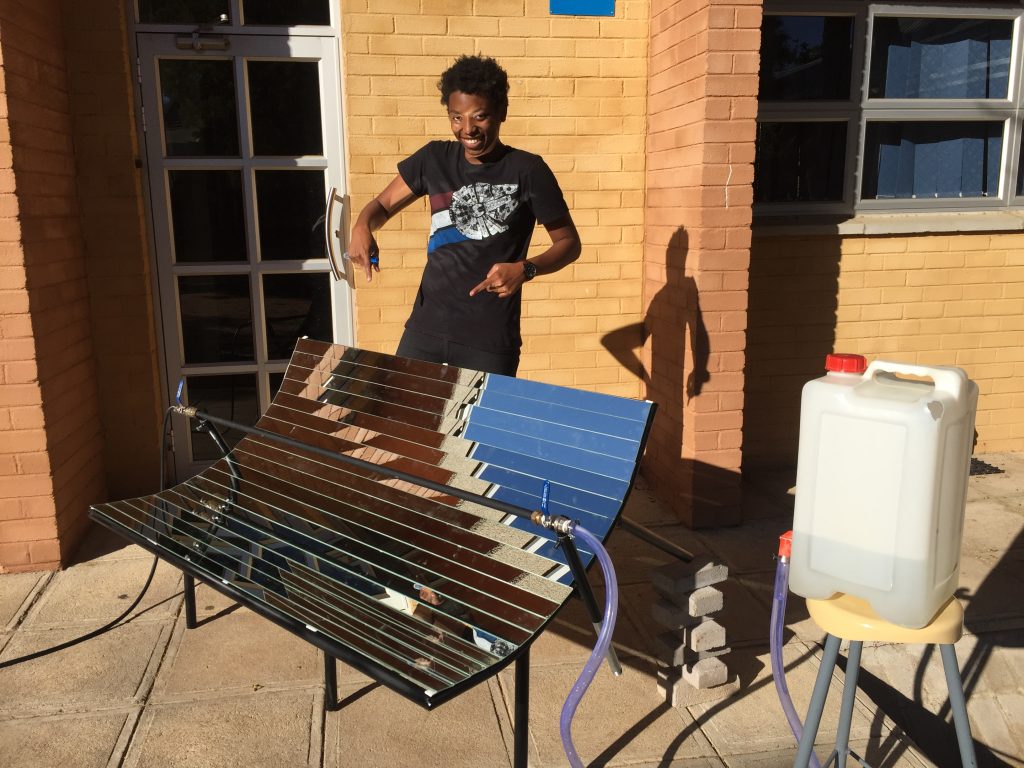
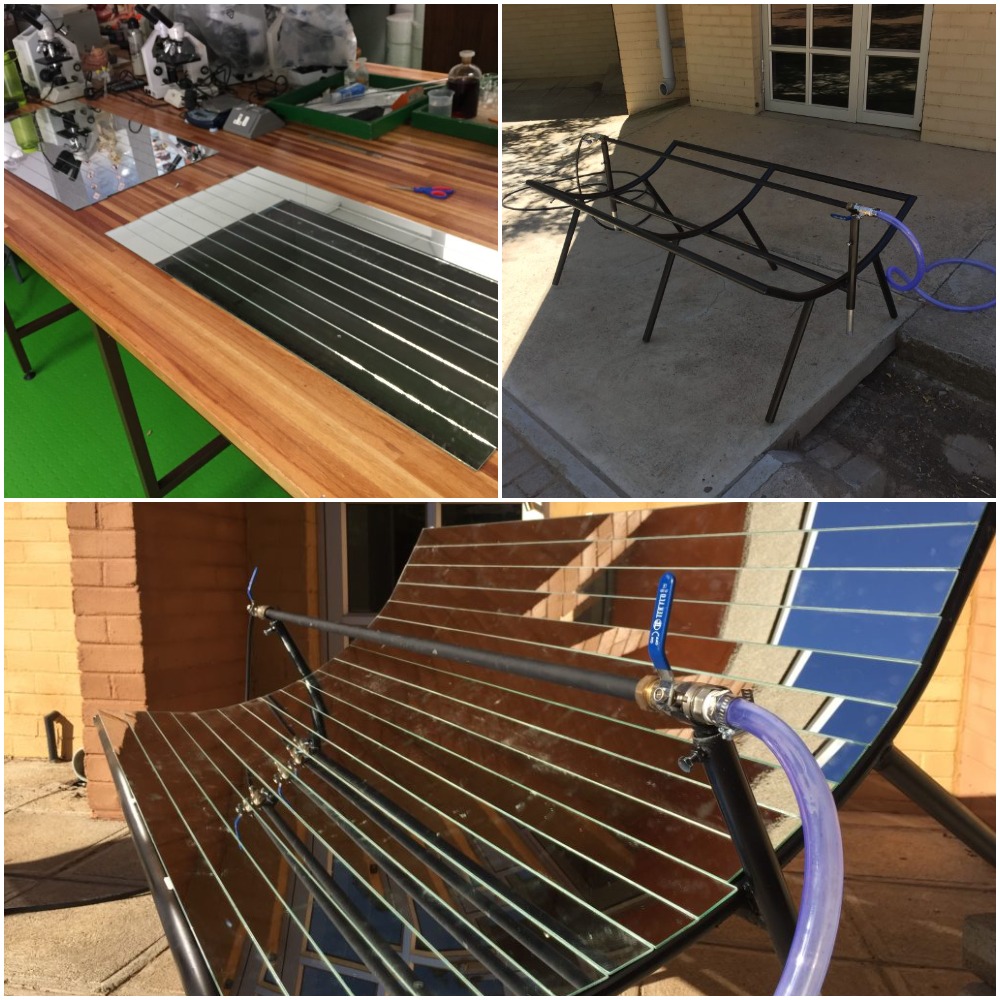
Botswana is the country with perhaps the greatest potential for solar power in the world. Yet, it imports most of its power from South Africa. I designed and built this generator as a proof of concept for affordable renewable energy with rural farmers as the target market.
The mirrors reflect sunlight onto a matte black copper pipe that is filled with either heating fluid or water. If water is used, it is fed into the pipe, closed off and heated until high pressure steam is produced. This is then released and used to turn a turbine and generate electricity.
If heating fluid is used, it can be cycled in a closed loop system and used as a heater.


Computer Science & Programming: Coursework & Projects
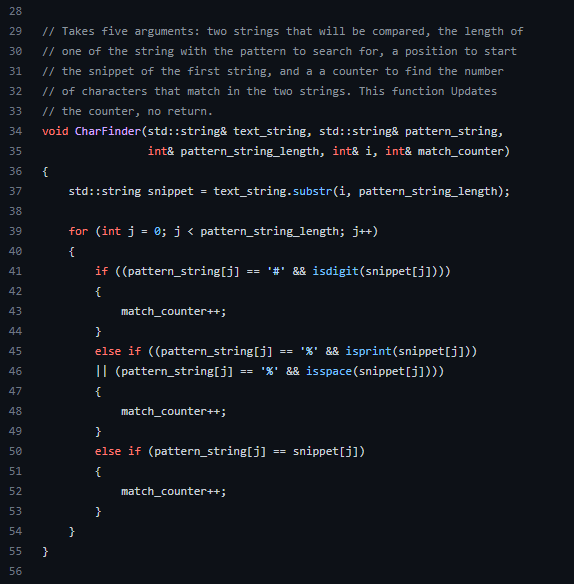
The bulk of my experience comes from college coursework. I've taken classes that covered all basic and many advanced programming concepts such as recursion, algorithms and data structures and object-oriented programming in both C++ and Python. I have a good understanding of computer architecture and how written code is translated into machine language, having used low-level languages like C, C++ and theoretically, assembly.
My college classes are heavily project based. Using C++, we had many projects that required use of concepts learned in class like static and dynamic memory allocation and user defined classes to make a rudimentary cryptocurrency exchange and bank account. Projects in Python included utilizing file processing techniques to make a Pokemon game and extract data from csv files and display them in easily interpretable graphs. I have learned and understand concepts including: space and time complexity (Big O notation), finite state automatons, number theory, proofs and propositional and predicate logic.
Mechanical & Automotive Engineering: Formula SAE
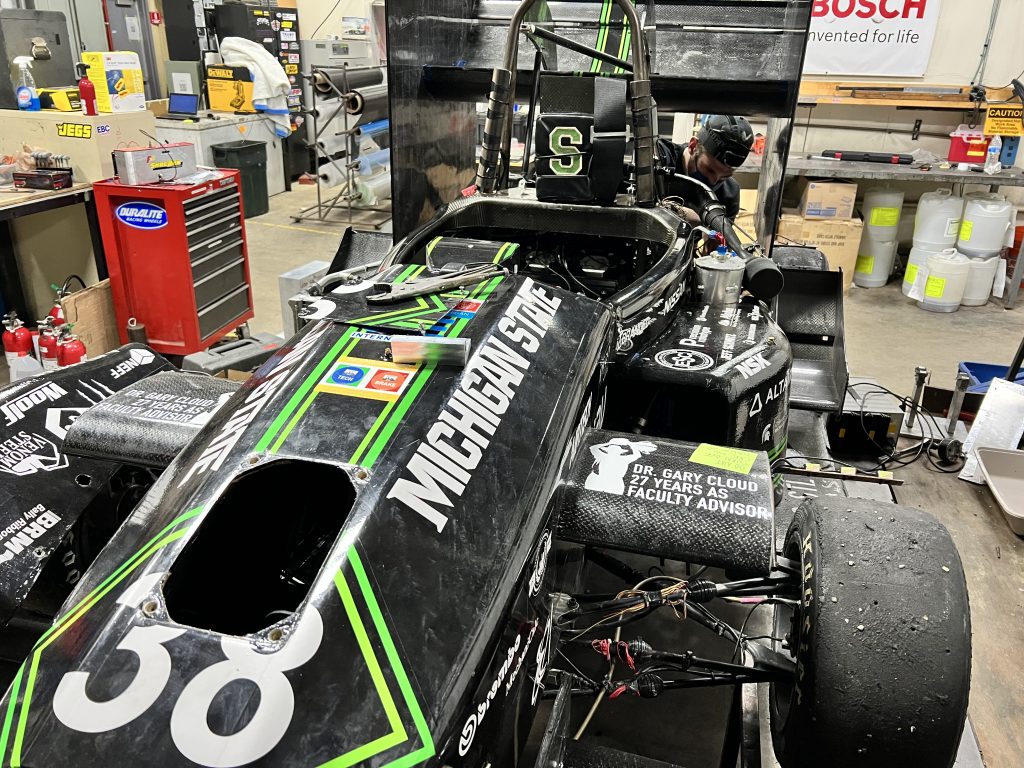
As part of Michigan State University's Formula Racing team, I have machined components for radiator mounts and suspension systems using a manual mill for our new monocoque design.
I researched air filter alternatives for improvement in air-to-fuel ratio, power delivery and combustion efficiency. I also researched alternative front wing designs to prevent failure caused by excessive aerodynamic load.